

Products Description
Product Positioning
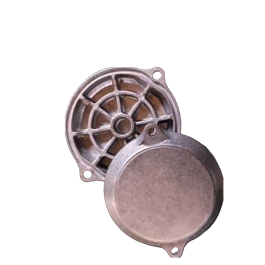
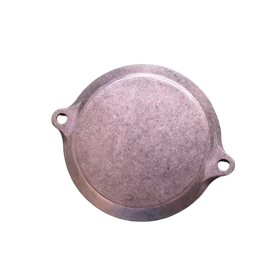
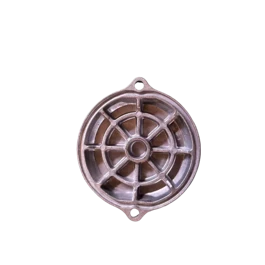
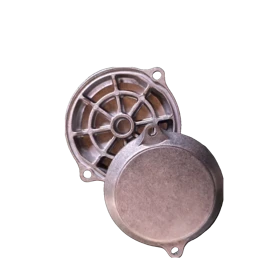
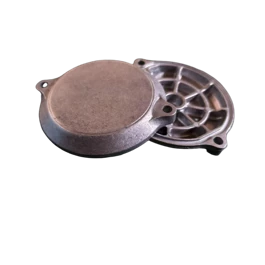
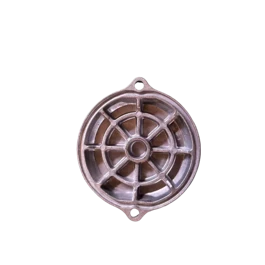
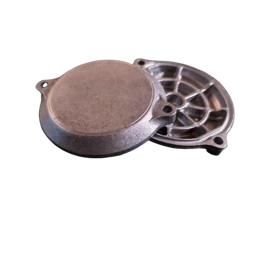
The cylinder head right cover is a crucial external structural component and functional integration base on the right side of the motorcycle engine. It not only serves as a safety cover to protect the internal components, but also is an important exterior component that affects the overall visual appeal of the engine.
Core Structure
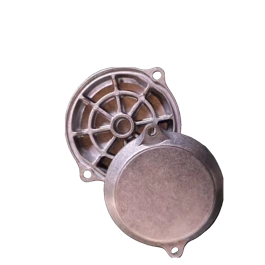
The core structure consists of an irregularly shaped housing typically made of die-cast aluminum alloy, featuring heat dissipation fins. It is internally designed with a complex lubrication channel and provides precise installation spaces for components such as the clutch and oil filter element.
Core Function
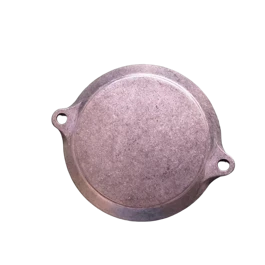
Its core function is to achieve dynamic sealing on the right side of the crankcase, preventing lubricating oil from leaking and blocking external contaminants from entering. At the same time, it provides a reliable working chamber and channels for clutch operation, oil filtration, and the lubrication system circulation.
Application Scenarios
It is widely used in various motorcycle engines that adopt the right-side clutch layout. It is a frequently contacted and disassembled component that must be replaced and maintained during daily maintenance, such as changing the oil filter or repairing or replacing the clutch plates.
FAQ
Q: What exactly is the right cover of the cylinder head? What is its function?
A: It is a metal cover installed on the right side of the motorcycle engine. Its main function is to seal and protect. It encloses important components such as the clutch and the oil filter, preventing dust from entering and ensuring that the oil circulates and lubricates within it. At the same time, it is also the installation base for components like the clutch pull wire.
Q: Why is there oil leakage on the right side of my engine? What is the most likely cause?
A: The most common cause of oil leakage is that the sealing gasket of the right cylinder head has aged, deformed or been damaged. The second most likely reason is that the fixing screws are loose or the tightening torque is uneven, causing the cover to be subjected to uneven force. In rare cases, it could be that the cover itself has cracks or deformations due to a collision.
Q: Is it necessary to remove this cover when replacing the clutch?
A: Yes, it is absolutely necessary. Since the clutch assembly is almost completely enclosed within this right cover, to access the clutch, the first step is to remove this cover.
Q: What are the specific points to note when disassembling and assembling the right cover of the cylinder head?
A: There are several crucial points: It is essential to replace the new gasket: Reusing the old gasket has a very high probability of causing oil leakage. Tighten the screws according to the standard torque and sequence: A torque wrench must be used, and they should be tightened in a cross-diagonal sequence in multiple steps to the torque value specified by the manufacturer. Otherwise, it is very likely to cause the cover to deform and leak oil. Clean the joint surface: Before installation, the old sealing pad materials on the engine cylinder block and cover must be removed to ensure that the joint surface is smooth and flat.
Q: What are the differences between aluminum alloy and magnesium alloy covers?
A: Magnesium alloy covers are lighter and are often used in high-performance vehicles to reduce weight. However, they are more expensive and more prone to corrosion (requiring high surface treatment processes). Aluminum alloy is the choice for the majority of vehicles, achieving a good balance in terms of strength, weight, cost, and corrosion resistance.
Q: What consequences will occur if oil leakage is not dealt with?
A: Minor leaks will dirty the engine and the vehicle body, affecting its appearance and possibly causing a burnt smell. Severe oil leakage will lead to a shortage of engine oil, causing the clutch to slip and even severe wear or seizing of internal engine parts (such as the camshaft and crankshaft) due to insufficient lubrication, resulting in huge economic losses.
Q: How can one determine whether the right cover is leaking oil or if there is an oil leak elsewhere?
A: First, clean the right side of the engine housing thoroughly. Then, start the vehicle in idle mode or do a short ride and observe. The area where fresh oil stains first seep out or accumulate is usually the source of the leak. Oil leakage from the right cover typically manifests as oil stains seeping out from the joint between the cover and the engine cylinder block.
Strategic Partners

Hot Tags: cylinder head right cover, China cylinder head right cover manufacturers, suppliers, factory