

Products Description
Product Positioning
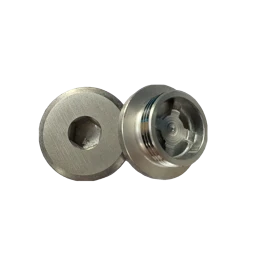
An indispensable engine auxiliary sealing component, with low cost yet crucial function, it is a standard configuration for the engine cylinder block.
Core Structure
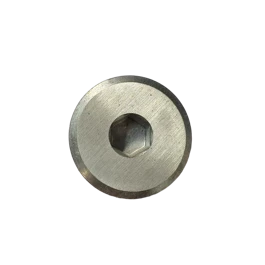
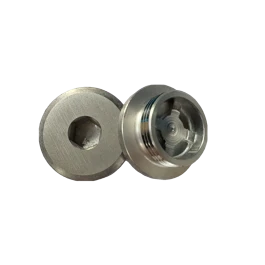
Usually, crankshaft hole plug is a thin-walled cup-shaped plug formed by stamping steel or copper. It is embedded into the hole by means of the interference fit at its edge, and the structure is simple yet effective.
Core Function
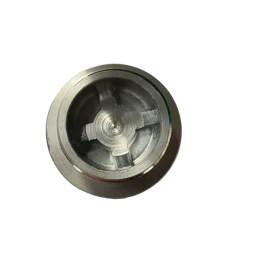
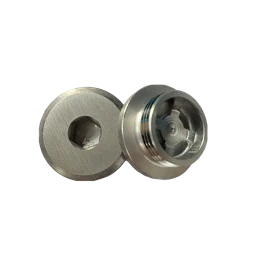
The core function is to permanently seal the casting process holes on the engine cylinder block to prevent the leakage of coolant and engine oil. Secondary function: In extreme situations (such as when the coolant freezes and expands), it can be pushed out first to act as a "safety valve" to protect the more expensive engine cylinder block from damage.
spary read laser welding technology
It is widely used on the cast iron or aluminum cylinder blocks and cylinder heads of almost all water-cooled internal combustion engines. It is an indispensable small component in engines of automobiles, trucks, construction machinery, etc.
FAQ
Q: What is a freeze plug?
A: A freeze plug, also known as a core plug or expansion plug, is a metal disc pressed into an engine block to seal the holes left from the casting process. Despite its common name, its primary purpose is not to plug freezing coolant.
Q: Why is it called a "freeze plug" if that's not its main job?
A: The name is a misnomer that comes from a secondary safety function. If coolant inside the engine freezes and expands, the pressure can push the relatively weak plug out, preventing the more expensive cast iron engine block from cracking. Thus, it "saves" the engine by sacrificing itself in a freeze event.
Q: What are the symptoms of a leaking or failed freeze plug?
A: The most common symptom is a visible coolant leak. You may see bright green, orange, or red fluid (depending on the coolant type) dripping from the side or bottom of the engine. A low coolant warning light, engine overheating, and a sweet smell from the engine bay are also key indicators.
Q: Can I drive with a leaking freeze plug?
A: It is not recommended. A leak will cause the engine to lose coolant, leading to overheating. Severe overheating can cause catastrophic engine damage, such as a warped cylinder head or a blown head gasket, which is far more expensive to repair than replacing a plug.
Q: How are freeze plugs replaced?
A: Replacement involves draining the coolant, locating the faulty plug, and removing it (often by drilling a hole and prying it out). The new hole must be cleaned thoroughly, and a new plug-coated with a proper sealant-is driven in until it is seated flush and tight. Some hard-to-reach plugs may require significant disassembly of engine components.
Q: Can I replace a freeze plug myself?
A: This is a job for experienced DIY mechanics. While the concept is simple, access is often extremely difficult. Many plugs are located behind engine mounts, the starter, or the exhaust manifold. Assessing the difficulty of access for your specific vehicle is the most important first step.
Q: Are there different types of freeze plugs?
A: Yes. The most common type is the cup-style plug. Another popular type is the convex expansion plug, which is tightened with a bolt to expand a seal against the hole. For a permanent repair, threaded pipe plugs can sometimes be installed in place of a failed cup plug.
Q: How can I prevent freeze plug failure?
A: The best prevention is proper cooling system maintenance: Regularly flush and replace your coolant according to the manufacturer's schedule. Use the correct type of coolant mixed with distilled water. Avoid using plain tap water, as the minerals cause corrosion that eats the plugs from the inside out.
Strategic Partners

Hot Tags: crankshaft hole plug, China crankshaft hole plug manufacturers, suppliers, factory