

Clutch
Ningbo Zhouchi Vehicle Industry Co., Ltd. was founded in 1992, located in Binhai Industrial Park of the beautiful coastal port city -Ningbo. Now our company covers the total area of 16000 square meters, with 150 staffs, including 20 quality inspectors and engineers. Our turnover is around12 Millions USD. Our company specializes in Aluminum Die-casting and Zinc Die-casting, CNC machining and assembling.
Why Choose Us
Experienced Team
Our team of engineers and technicians has years of experience in the industry, and we leverage that expertise to provide our clients with the best possible solutions.
Exceptional Customer Service
We pride ourselves on providing exceptional customer service and technical support to our clients, ensuring that they have a smooth and hassle-free experience.
Quality Products
We use only the highest-grade materials and advanced manufacturing techniques to produce products that are reliable, durable, and perform to the highest standards.
Competitive Price
We have professional sourcing team and cost accounting team, stive to reduce cost and profit and provide you a good price.
Sustainable Development
Establish a good reputation and brand value in the industry, and promote the sustainable, stable, rapid and healthy development of the enterprise.
One Stop Solution
From the begining inquiry and throughout the entire process until you receive the goods. we are dedicated to supporting you every step of the way.
-
![Starter Cover]() Starter CoverThe function of the Starter cover is to effectively adjust the direction of air flow relative to the car's movement and the obstructive force it creates on the car, reducing the impact of airflow...read more
Starter CoverThe function of the Starter cover is to effectively adjust the direction of air flow relative to the car's movement and the obstructive force it creates on the car, reducing the impact of airflow...read more -
![Water Pump for Pool Cover]() Water Pump for Pool CoverThe main function of the water pump for pool cover is to protect the internal components of the pump, prevent them from being affected by the external environment, and prevent erosion of the...read more
Water Pump for Pool CoverThe main function of the water pump for pool cover is to protect the internal components of the pump, prevent them from being affected by the external environment, and prevent erosion of the...read more -
![Clutch Discs Cover]() Clutch Discs CoverThe Clutch discs cover is a part of the clutch assembly, which mainly functions to transmit torque, prevent oil leakage, reduce noise and vibration, etc.read more
Clutch Discs CoverThe Clutch discs cover is a part of the clutch assembly, which mainly functions to transmit torque, prevent oil leakage, reduce noise and vibration, etc.read more -
![Electric Starter Motor Cover]() Electric Starter Motor CoverThe main function of the Electric starter motor cover is to serve as the installation body for the magnetic poles and armature of the electric motor. It is an important part of ensuring the normal...read more
Electric Starter Motor CoverThe main function of the Electric starter motor cover is to serve as the installation body for the magnetic poles and armature of the electric motor. It is an important part of ensuring the normal...read more -
![Clutch Crank Case Cover]() Clutch Crank Case CoverThe main function of the Clutch crank case cover is to seal the crankcase, prevent oil deterioration, prevent crankshaft oil seal and crankcase gasket leakage, and also isolate air.read more
Clutch Crank Case CoverThe main function of the Clutch crank case cover is to seal the crankcase, prevent oil deterioration, prevent crankshaft oil seal and crankcase gasket leakage, and also isolate air.read more -
![Starter Motor Cover]() Starter Motor CoverThe specific functions of the starter motor cover include air flow guidance, protection of the engine and surrounding pipeline accessories, aesthetics and brand display, visual assistance for...read more
Starter Motor CoverThe specific functions of the starter motor cover include air flow guidance, protection of the engine and surrounding pipeline accessories, aesthetics and brand display, visual assistance for...read more -
![Small Pool Cover Pump]() Small Pool Cover PumpThe function of the small pool cover pump includes sealing the pump body and supporting fixation. It is tightly connected to the pump body, sealing the pump chamber to ensure normal internal...read more
Small Pool Cover PumpThe function of the small pool cover pump includes sealing the pump body and supporting fixation. It is tightly connected to the pump body, sealing the pump chamber to ensure normal internal...read more -
![Auto Clutch Discs Covers]() Auto Clutch Discs CoversAs an important component in the engine, Auto Clutch Discs Covers connect the crankshaft and transmission, mainly used for storing and releasing the engine. Its main functions include separation,...read more
Auto Clutch Discs CoversAs an important component in the engine, Auto Clutch Discs Covers connect the crankshaft and transmission, mainly used for storing and releasing the engine. Its main functions include separation,...read more -
![Starter Motor Cover Kit]() Starter Motor Cover KitThe Starter motor cover kit serves as the external protective shell of the starter, preventing dust, water droplets, and other debris from entering the interior of the starter, thereby protecting...read more
Starter Motor Cover KitThe Starter motor cover kit serves as the external protective shell of the starter, preventing dust, water droplets, and other debris from entering the interior of the starter, thereby protecting...read more -
![Engine Crankcase Clutch Cover]() Engine Crankcase Clutch CoverThe main function of the engine crankcase clutch cover is to seal the crankcase, prevent oil deterioration, prevent crankshaft oil seal and crankcase gasket leakage, and also isolate air. In...read more
Engine Crankcase Clutch CoverThe main function of the engine crankcase clutch cover is to seal the crankcase, prevent oil deterioration, prevent crankshaft oil seal and crankcase gasket leakage, and also isolate air. In...read more


A clutch is a mechanical device that allows the output shaft to be disconnected from the rotating input shaft.The clutch's input shaft is typically attached to a motor, while the clutch's output shaft is connected to the mechanism that does the work.
Advantages of Clutch
Smooth Engagement
Clutches provide smooth and efficient engagement without generating excessive heat, particularly in applications that do not involve frequent starts and stops.
No Slip
Once engaged, clutches provide a solid connection between the input and output shafts, ensuring efficient power transfer without any slippage.
Safety Features
In certain cases, clutches function as safety devices. When torque exceeds the designated safety limits, the clutch automatically disengages, protecting the system from potential damage.
Easy Operation
Clutches are designed to be user-friendly and easy to operate, allowing for convenient engagement and disengagement as required.
Partial Power Transmission
Clutches have the ability to transmit partial power, enabling precise control over power delivery based on specific operational requirements.
Frequent Engagement and Disengagement
Clutches can handle frequent engagement and disengagement cycles without compromising performance or durability, making them suitable for applications that require frequent changes in power transmission.

Everyone knows that a car has an engine to power it, but not everyone is familiar with a clutch or how it works. This mechanism both engages and disengages your power transmission from the driving shaft to the driven shaft. It connects rotating shafts, and there can be two or more of these under your hood. If you drive a manual transmission, the clutch is connected to both the shaft coming from the engine and the shafts that turn the wheels. motor is going to spin constantly, you don't want the wheels continually spinning.
One of the rotating shafts is going to be connected to the engine or power unit, this will be the driving member, while the other rotating shaft, or driven member, provides output for work. a drill has a shaft that's driven by a motor and one that's driven by a drill chuck. you'll find that these motions are rotary; although, linear clutches are possible.
At its most basic function, the clutch is the backbone of power delivery from a motorcycle's crankshaft to the transmission. With all of this mechanical responsibility comes the importance of the system's internal components and wear condition. After all, the connection from the rider to the machine's characteristics and performance relies heavily on clutch components. From the street to the dirt, things like stall control, traction, momentum, power transfer, and more can be improved and controlled with the many optional components available. But how does it work.
Starting with the pull of the clutch lever, a sequence of events occur that transfers the power of the engine to the driveline, the final stop being the rear tire. Whether a cable or hydraulic system, the clutch springs are the first action to relieving or applying pressure to the friction plates within the basket, mediating the crankshaft output to the transmission system and driveline through the inner hub, pressure plate, and clutch basket. When the lever is pulled, the pressure is relieved inside and friction disks are not engaged.
As the lever releases, the clutch goes to work through the action of the pressure plate engagement to the clutch pack, increasing friction between the friction discs and plates, thus turning the center hub and applying the transfer of torque to the transmission. travels through the gears, to the countershaft, through the chain and sprockets, and finally the rear wheel and tire.wear condition and type of components within are integral to feel and performance. When it's time to work on or maintain your motorcycle's clutch, selecting which clutch replacement level or system you'll be choosing is a decision that hinges on rider needs and expectations.
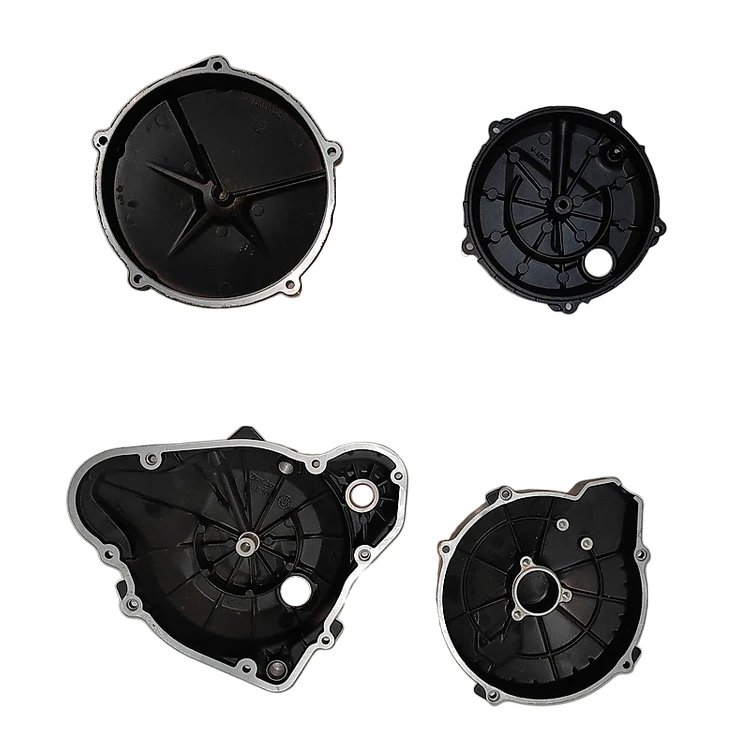
Clutch Working Principle
A clutch is used to connect two moving shafts that are operating at different speeds. It allows for the disengagement of engine power and facilitates smooth vehicle operation.
When the clutch pedal is pressed, the movable friction disc slides on the shaft, causing disengagement. In this state, there is no contact between the friction disc and the Flywheel, resulting in zero axial load from the pressure plate and no power/torque transmission. Although the engine continues to run, the vehicle does not move.
Upon complete release of the pedal, the movable friction disc slides forward, establishing contact with the Flywheel. This engaged position maximizes axial load from the pressure plate, resulting in the highest power transmission. The clutch plate revolves with the Flywheel due to the friction between the Flywheel plate and the pressure plate, causing the shaft and the connected transmission to rotate.
The clutch consists of a bolted friction plate on the Flywheel and a movable plate on the crankshaft. The amount of torque delivered depends on the applied axial load. The movable disc is splined on the crankshaft and moves back and forth with the pedal. Higher axial load corresponds to increased power transmission, while zero load results in zero power transmission.
The load is applied by the pressure plate, which is connected to springs, either multiple disc springs or a diaphragm spring. Clutches are necessary to allow the engine to run even when the vehicle is stationary. They enable smooth gear changes, prevent sudden loads and shocks on gears, and help maintain engine stability during speed changes.
When the clutch pedal is pressed, disengagement occurs, breaking the contact between the clutch and the Flywheel. This allows for gear shifting facilitated by synchronizers. Once the gear shift is complete, releasing the pedal results in reengagement, transmitting drive to the gearbox.
Pressing the pedal applies force to the pressure plate, which is bolted to the Flywheel. This inward force separates the disc from the Flywheel and clutch disc. Clutches, as mechanical devices, securely grasp one shaft to another.
For internal combustion engines, starting from 0 rpm with torque is not ideal. They require a minimum idle speed to generate torque. Clutches facilitate the gradual transfer of rotational speed from a spinning shaft to a stationary shaft.
They transmit power between elements and play a crucial role as mechanical devices. In automobiles, the engine serves as the prime mover, while the Flywheel connects to the engine and the clutch connects to the transmission. By pressing the clutch pedal, the Flywheel's motion is transmitted to the transmission system. This allows the driver to disengage the clutch from the Flywheel, preventing the transmission of engine rotation to the transmission system, facilitating smooth gear changes.
Types of Clutches

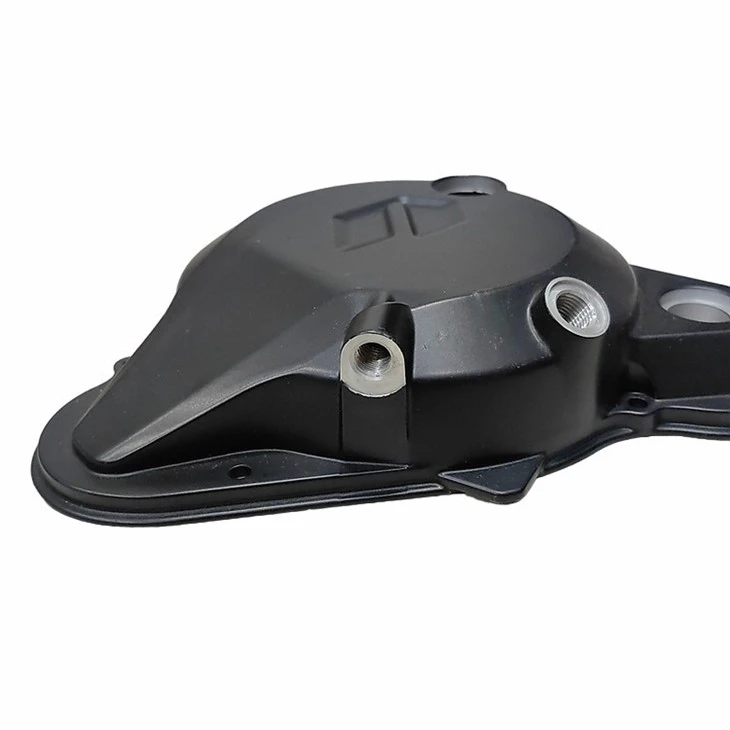
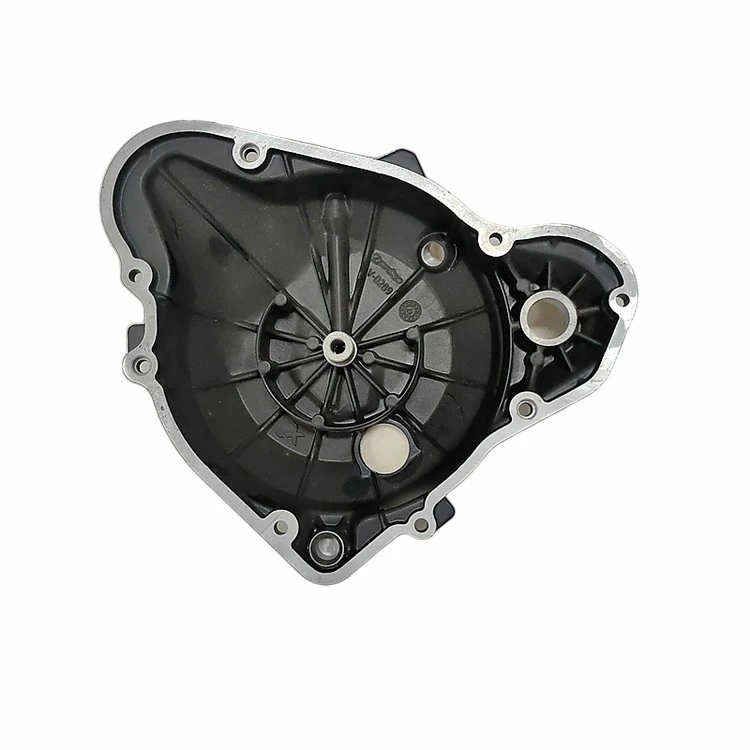
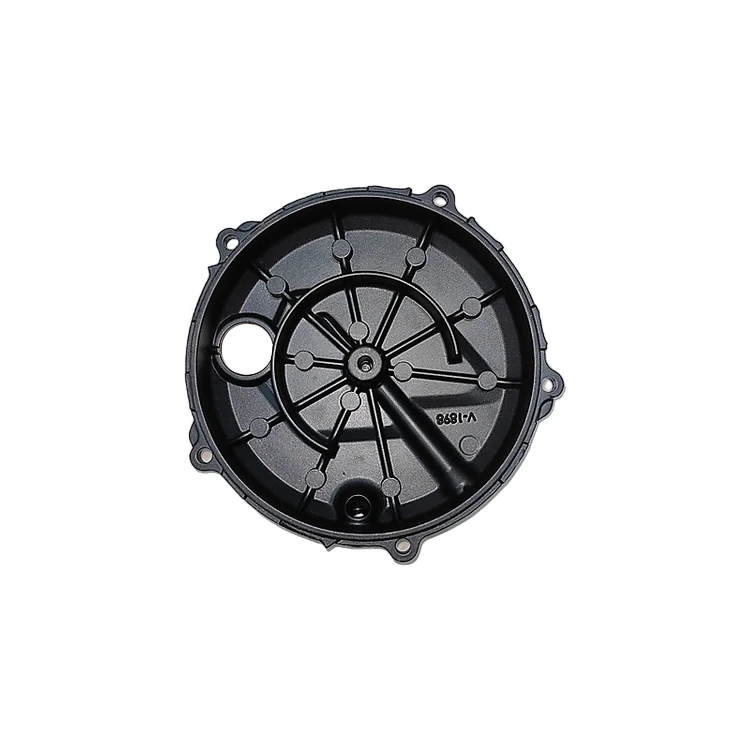
Single Plate Clutch
Working: A single plate clutch, as discussed earlier, consists of a friction disc, pressure plate, flywheel, and release bearing. When engaged, it allows power transmission by pressing the friction disc against the flywheel.
Advantages: Simplicity, cost-effectiveness, smooth engagement.
Uses: Most commonly found in passenger cars and light trucks.
Multi-Plate Clutch
Working: Similar to single plate clutches, multi-plate clutches have multiple friction discs interleaved with steel plates. They provide higher torque capacity by increasing the friction surface area.
Advantages: Increased torque handling, compact design.
Uses: High-performance vehicles, motorcycles, heavy-duty trucks, racing cars.
Cone Clutch
Working: A cone clutch consists of two conical members, one connected to the engine shaft and the other to the transmission input shaft. When engaged, the conical surfaces make contact to transmit power.
Advantages: Smooth engagement, high torque capacity.
Uses: Industrial applications, some older manual transmissions.
Centrifugal Clutch
Working: A centrifugal clutch uses centrifugal force to engage the clutch as engine speed increases. When the engine reaches a certain RPM, weights or springs push the clutch shoes or pads outward, making contact with the clutch drum.
Advantages: Automatic engagement, no pedal required.
Uses: Go-karts, some lawnmowers, small utility vehicles.
Hydraulic Clutch
Working: Hydraulic clutches use hydraulic fluid to transmit force from the clutch pedal to the clutch release bearing. They provide a smoother and more consistent feel compared to mechanical linkages.
Advantages: Precise control, reduced pedal effort, less maintenance.
Uses: Many modern cars, especially those with manual transmissions.
Electromagnetic (Magnetic) Clutch
Working: These clutches engage when an electromagnetic coil is energized, creating a magnetic field. This attracts the clutch plates, connecting the input and output shafts.
Advantages: Fast engagement, precise control, minimal wear during disengagement.
Uses: Industrial machinery, HVAC systems, some automatic transmissions.
Wet vs. Dry Clutch
Working: This classification pertains to how the clutch is lubricated. Wet clutches are immersed in oil for cooling and lubrication, while dry clutches operate without oil immersion.
Advantages: Wet clutches dissipate heat better, making them suitable for high-torque applications.
Uses: Wet clutches are common in motorcycles, while dry clutches are found in some high-performance cars.
| Type of Clutch | Working | Advantages | Disadvantages | Typical Uses |
| Single Plate Clutch | Consists of a friction disc, pressure plate, flywheel, and release bearing. Engages by pressing the friction disc against the flywheel. | Simplicity, cost-effectiveness, smooth engagement. | Limited torque capacity for high-performance applications. | Most commonly found in passenger cars and light trucks. |
| Multi-Plate Clutch | Multiple friction discs interleaved with steel plates for higher torque capacity. | Increased torque handling, compact design. | Complexity in assembly, higher cost compared to single plate clutches. | High-performance vehicles, motorcycles, heavy-duty trucks, racing cars. |
| Cone Clutch | Two conical members make contact when engaged to transmit power. | Smooth engagement, high torque capacity. | Sensitive to misalignment, limited use in modern vehicles. | Industrial applications, some older manual transmissions. |
| Centrifugal Clutch | Engages using centrifugal force as engine speed increases. Clutch shoes or pads make contact with the clutch drum. | Automatic engagement, no pedal required. | Limited control, not suitable for high-performance applications. | Go-karts, some lawnmowers, small utility vehicles. |
| Hydraulic Clutch | Uses hydraulic fluid to transmit force from the clutch pedal to the clutch release bearing. Provides precise control and reduced pedal effort. | Precise control, reduced pedal effort, less maintenance. | Complex hydraulic system, potential for fluid leaks. | Many modern cars, especially those with manual transmissions. |
| Electromagnetic Clutch | Engages when an electromagnetic coil is energized, creating a magnetic field that attracts clutch plates to connect input and output shafts. | Fast engagement, precise control, minimal wear during disengagement. | Sensitive to overheating, may require cooling. | Industrial machinery, HVAC systems, some automatic transmissions. |
| Wet vs. Dry Clutch | Wet clutches are immersed in oil for cooling and lubrication. Dry clutches operate without oil immersion. | Wet clutches dissipate heat better, suitable for high-torque applications. | Dry clutches are simpler and lighter but may not handle as much torque. | Wet clutches in motorcycles, some high-performance cars. Dry clutches in certain high-performance cars. |
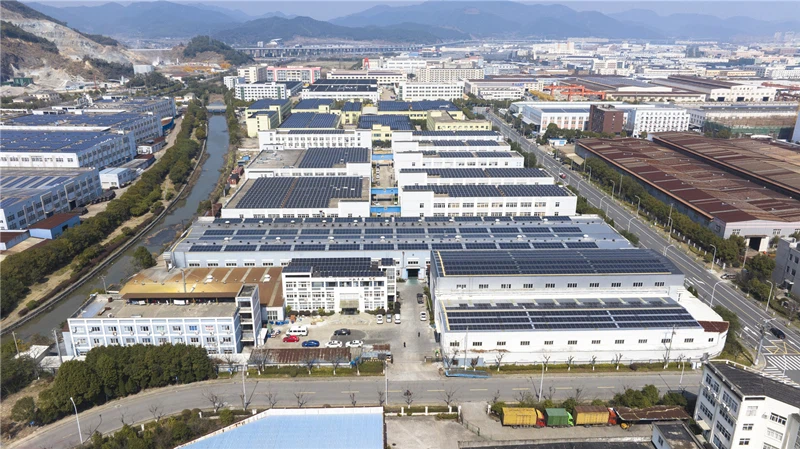
Our Factory
Ningbo Zhouchi Vehicle Industry Co., Ltd. was founded in 1992, located in Binhai Industrial Park of the beautiful coastal port city -Ningbo. Now our company covers the total area of 16000 square meters, with 150 staffs, including 20 quality inspectors and engineers. Our turnover is around12 Millions USD. Our company specializes in Aluminum Die-casting and Zinc Die-casting, CNC machining and assembling.
Certifications

FAQ
Q: What are the 5 different types of clutches?
Q: What are the 7 parts of clutch?
Q: What is the most commonly used clutch?
Q: What are the 4 parts of a clutch?
Q: What are the 2 types of clutch?
Q: What is a 4 stage clutch?
Q: What are the 3 main components of a clutch?
Q: What are the 4 main functions of the clutch?
Q: Why is clutch used?
Q: Can a clutch increase horsepower?
Q: Is it worth upgrading clutch?
Q: What destroys a clutch?
Q: Will a new clutch improve acceleration?
Q: How many miles will a clutch last?
Q: Is it OK to ride the clutch in 1st?
Q: Why do people upgrade their clutch?
Q: What are the signs of a worn out clutch?
Difficulty shifting gear.
Squeaking or grumbling noise when the clutch pedal is pressed.
Spongy, sticking, vibrating or loose clutch pedal when pressed.
Ability to rev the engine, but poor acceleration.
Slipping' clutch, causing a momentary loss of acceleration.
Q: Can a clutch fail suddenly?
Q: When replacing a clutch what else should be replaced?
Q: What sound does a bad clutch make?
As one of the leading clutch manufacturers and suppliers in China, we warmly welcome you to buy cheap clutch from our factory. All customized products are with high quality and competitive price.
Aluminum Lamp Housing, Aluminum Clutch Cover, Casting Output Cover