

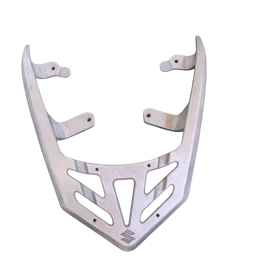
Products Description
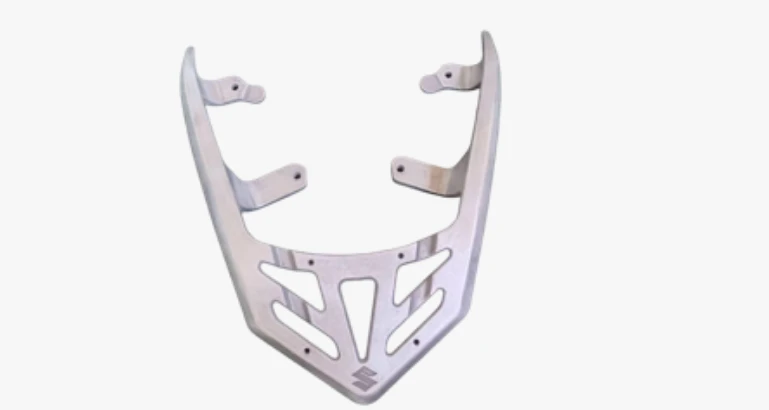
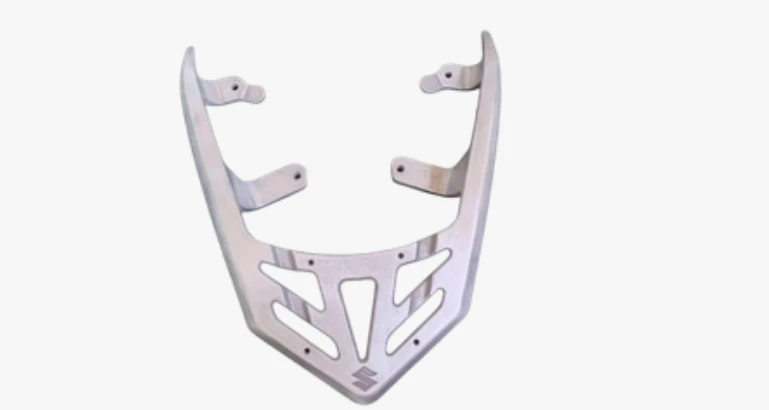
In the field of transportation and logistics equipment, a crucial component that ensures efficient cargo loading and secure storage is widely used across various vehicles, from commercial vans to utility bikes. This component, known as back cargo rack, serves as a sturdy platform that bears the weight of goods while maintaining structural stability during movement. Its design requires a perfect balance of strength, lightweight properties, and corrosion resistance to adapt to different working environments, whether it is frequent road vibrations for delivery vehicles or outdoor weather exposure for bicycles.
For die casting suppliers, manufacturing parts that meet the high standards of this load-bearing component presents both opportunities and technical challenges. Precision and material durability are non-negotiable factors here, as they directly determine the reliability of the end product. Die casting technology has become a cornerstone in this process, thanks to its ability to create complex shapes with tight tolerances and consistent quality-key requirements for components that need to withstand repeated stress and external impacts.
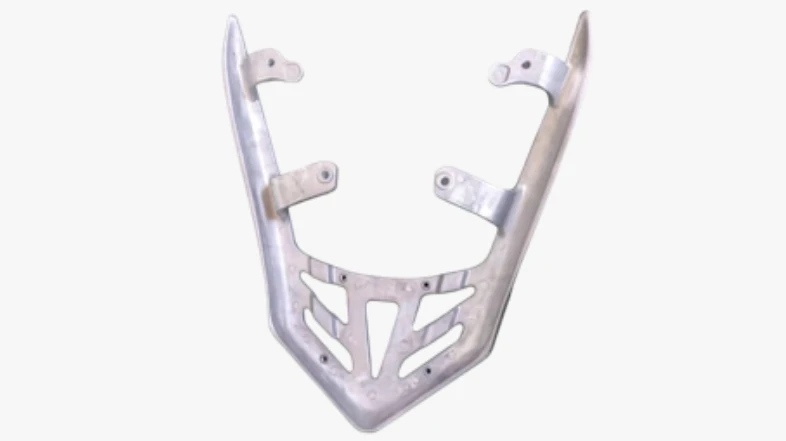
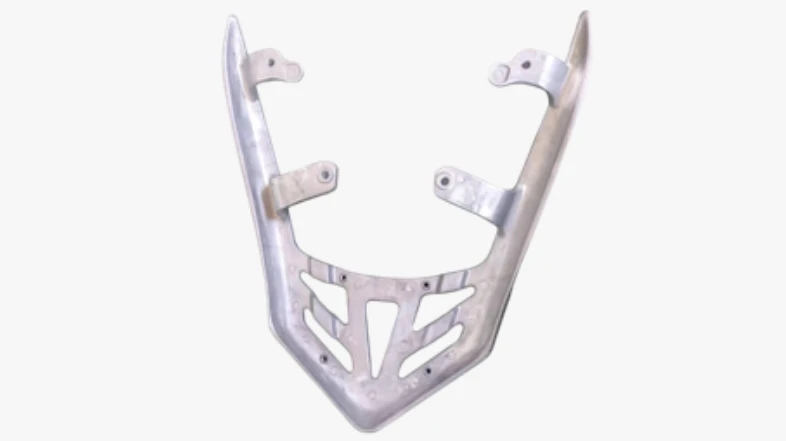
Aluminum and magnesium alloys, commonly used in die casting, offer the ideal combination of high strength-to-weight ratio and excellent machinability, making them perfect for manufacturing parts that contribute to the overall performance of the back cargo rack. Unlike traditional manufacturing methods like welding or forging, die casting eliminates the need for multiple assembly steps, reducing production time and minimizing the risk of structural weak points. This not only enhances the structural integrity of the final product but also lowers production costs for manufacturers, a significant advantage in today's competitive market.
As a professional die casting supplier, our expertise lies in optimizing the entire production process to meet the specific needs of such load-bearing components. We utilize advanced computer-aided design (CAD) and simulation tools to predict potential defects in the casting process, ensuring strict quality standards. Our investment in surface treatment technologies (anodizing, powder coating) also adds corrosion protection, extending component lifespan. By collaborating closely with transportation equipment manufacturers, we customize solutions to fit diverse design needs, supporting safer, more efficient logistics operations.
FAQ
Q: What is the main function of it mentioned in the article?
A: The Rear Rack serves as a sturdy platform that ensures efficient cargo loading and secure storage for various vehicles (such as commercial vans and utility bikes), while maintaining structural stability during the vehicle's movement.
Q: Why is die casting technology considered a cornerstone in manufacturing parts for the load-bearing component?
A: Die casting technology can create complex shapes with tight tolerances and consistent quality, which are key requirements for components that need to withstand repeated stress and external impacts. Additionally, it eliminates the need for multiple assembly steps, reducing production time, minimizing the risk of structural weak points, and lowering production costs.
Q:Which materials are commonly used in die casting for manufacturing parts related to it, and what advantages do they have?
A: Aluminum and magnesium alloys are commonly used. They offer the ideal combination of high strength-to-weight ratio (ensuring the component is strong yet lightweight) and excellent machinability, which is perfect for enhancing the overall performance of the Rear Rack.
Q: What measures does the professional die casting supplier take to ensure the quality and performance of the components?
A: First, the supplier uses advanced computer-aided design (CAD) and simulation tools to predict potential defects in the casting process, ensuring strict quality standards. Second, it invests in surface treatment technologies like anodizing and powder coating to add corrosion protection, extending the component's lifespan. Third, it collaborates closely with transportation equipment manufacturers to customize solutions that fit diverse design needs.
Q: What key requirements for the load-bearing component make die casting technology more suitable than traditional methods like welding or forging?
A: The load-bearing component requires complex shapes with tight tolerances, consistent quality, and the ability to avoid structural weak points. Die casting can meet these requirements by directly creating complex shapes without multiple assembly steps, which welding or forging cannot achieve easily. It also reduces production time and lowers costs, while enhancing structural integrity-all aligning with the component's needs.
Q: Besides using CAD and simulation tools, what other specific measure does the professional die casting supplier take to improve the service life of the components for the load-bearing structure?
A: The supplier invests in surface treatment technologies, specifically anodizing and powder coating. These technologies add an extra layer of corrosion protection to the components, which helps extend their lifespan, especially considering the load-bearing components may face outdoor weather exposure or harsh working environments.
Q: Why is the high strength-to-weight ratio of aluminum and magnesium alloys important for manufacturing parts of the load-bearing component?
A: The load-bearing component needs to bear the weight of goods while maintaining structural stability during movement (e.g., on vehicles like commercial vans or utility bikes). A high strength-to-weight ratio ensures the parts are strong enough to withstand the weight and stress, while also being lightweight-this avoids adding unnecessary burden to the vehicle, ensuring smooth movement and optimal overall performance of the component.
Strategic Partners
Hot Tags: Back Cargo Rack, China Back Cargo Rack manufacturers, suppliers, factory