

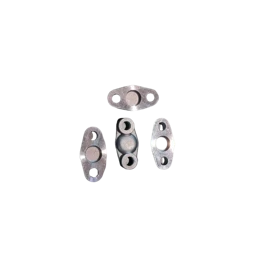
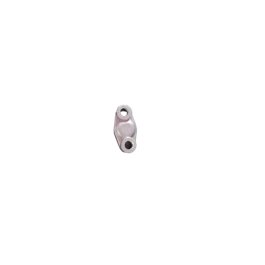
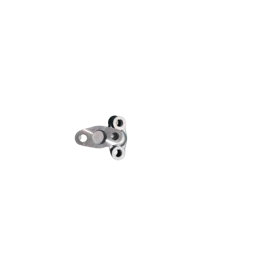
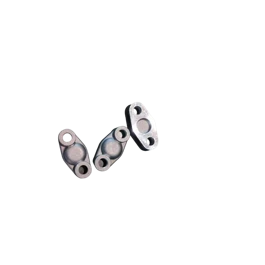
Products Description
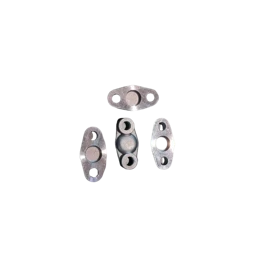
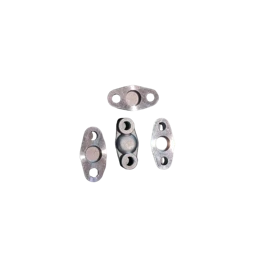
It undertakes important functions such as fixing the rocker shaft, sealing the lubrication channel, and reducing component wear, which directly affects the valve timing accuracy and operation stability of the engine. This product is usually made of high-strength alloy materials (such as 45# steel, aluminum alloy, etc.) through precision forging, CNC machining and surface hardening treatment. It has the characteristics of high strength, high wear resistance and corrosion resistance, and is suitable for various gasoline engines and diesel engines. It is widely used in passenger cars, commercial vehicles, construction machinery, agricultural machinery and other fields.
We are Die Casting experts
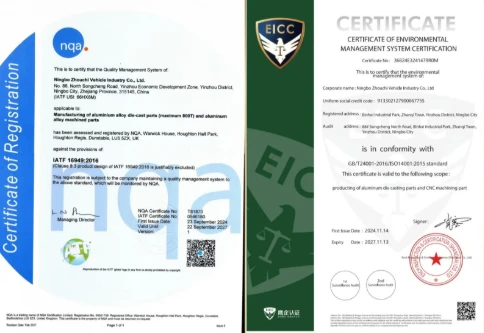
We have passed IATF16949:2016 from 2016, strictly follow the IATF16949 requirements, passed the ISO 14001:2015 environmental management certification in 2024, with rich experience in mold design and production for more than 30 years.
-
33+Years of experience
-
100+Annual production of molds

FAQ
Q: What are the core functions?
A: Its core functions mainly include three aspects: First, fixing and positioning. Through precise cooperation with the rocker shaft seat, it restricts the axial movement of the rocker shaft, ensures that the rocker shaft maintains a stable position during engine operation, and avoids valve timing deviation. Second, sealing and protection. It blocks the port of the lubricating oil channel of the rocker shaft to prevent oil leakage, and at the same time blocks dust and impurities from entering the lubrication system to protect the matching surface of the rocker shaft and the rocker arm. Third, auxiliary lubrication. Some products with oil channel design can guide the oil to flow evenly to the friction surface between the rocker shaft and the rocker arm, reduce dry friction, and extend the service life of components.
Q: What are the considerations for material selection?
A: Material selection needs to balance the requirements of strength, wear resistance and lightweight: For diesel engines or construction machinery engines with large loads, high-strength carbon steel (such as 45# steel) is usually used. After quenching and tempering treatment and surface quenching, the hardness can reach HRC 50-55, which can withstand large impact and radial pressure. For scenarios with high lightweight requirements such as passenger cars, high-strength aluminum alloy (such as 6061-T6) is mostly used, which is more than 30% lighter than carbon steel. At the same time, the surface wear resistance and corrosion resistance are improved through anodizing treatment. Some high-end engines also use powder metallurgy materials, which can form complex structures in one time, reduce processing errors, and improve dimensional accuracy.
Q: How to judge if Valve Rocker Arm Cap has a fault?
A: When it has a fault, the engine usually shows the following characteristics: First, abnormal noise. Due to the looseness or wear of the component, the matching gap between the rocker shaft and the component increases, and a "da-da" knocking sound will be produced during operation, which is more obvious especially at idle speed or acceleration. Second, oil leakage. The decreased sealing performance of the component will cause oil to seep out from the end of the rocker shaft, and in severe cases, the engine oil consumption will increase abnormally. Third, power reduction. If the looseness of the component causes the rocker shaft to move, it will affect the accuracy of the valve timing, reduce the engine intake efficiency, and then lead to insufficient power and weak acceleration.
Q: What details need to be paid attention to during installation?
A: During installation, the following details should be focused on to ensure the installation quality: First, cleaning. Before installation, the matching surfaces of the rocker shaft seat, rocker shaft and the component should be thoroughly cleaned to remove oil, iron filings and other impurities, so as to avoid wear or poor sealing of the matching surfaces caused by impurities. Second, torque control. A torque wrench should be used to tighten the component's fixing bolts according to the torque specified by the engine manufacturer (usually the torque range is 8-12N・m, and the specific details should refer to the engine maintenance manual). Too small torque may easily cause the component to loosen, while too large torque may cause deformation of the component or breakage of the bolts. Third, sealing treatment. If there is a sealing gasket or sealing ring between the component and the rocker shaft seat, it is necessary to check whether it is intact, and replace it with a new one if necessary. In some scenarios, a small amount of oil-resistant sealant should also be applied to the sealing surface to further improve the sealing effect.
Q: What factors affect its service life?
A: Its service life (usually the design life is 80,000-150,000 kilometers) is mainly affected by the following factors: First, oil quality and replacement cycle. If low-quality oil is used for a long time or the oil is not replaced beyond the specified period, the impurities in the oil will aggravate the wear between the component and the rocker shaft, and at the same time, the decreased lubricating performance of the oil will lead to insufficient lubrication of the matching surface, shortening the service life. Second, engine working conditions. For engines that are in high-speed and high-load working conditions for a long time (such as frequent rapid acceleration and long-term climbing), the stress and wear of the rocker shaft and the component will increase significantly, and the service life will be shortened accordingly. Third, installation quality. If the torque of the component's fixing bolts is improper during installation, the matching surface is not thoroughly cleaned, or the sealing parts are damaged, it will cause the component to loosen, wear or leak early, and then fail in advance.
Q: Can it be used universally in different types of engines?
A: It is usually not recommended to be used universally in different types of engines. The main reasons are the following differences: First, size difference. Different engines have different rocker shaft diameters and rocker shaft seat structures, and the corresponding inner diameter, outer diameter, height of the component and the position of the fixing bolt holes also have differences. Forced universal use will lead to failure to install or excessive matching gaps. Second, performance requirement difference. The load of the rocker shaft of diesel engines is much greater than that of gasoline engines, and their corresponding components usually use higher-strength materials. If the component of gasoline engines is used in diesel engines, it will be damaged early due to insufficient strength. Third, structural design difference. The component of some engines integrates special structures such as oil channels and positioning pins, which are incompatible with the structure of the component of other engines. Universal use will affect the normal operation of the engine. Therefore, when replacing the component, it is necessary to select the product that completely matches the engine model.
Products Description










Hot Tags: valve rocker arm cap, China valve rocker arm cap manufacturers, suppliers, factory