

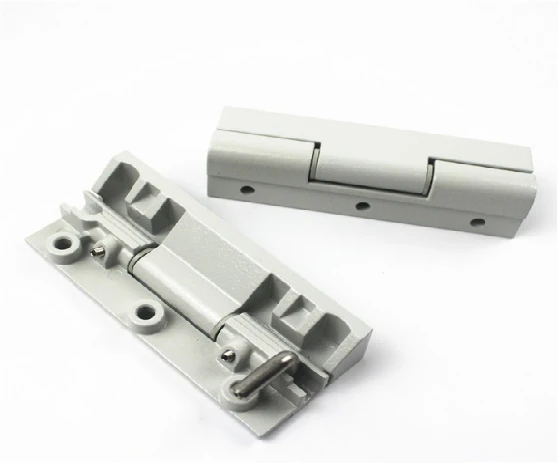
Material Properties: Strategic Choice Between Fluidity and Lightweighting
The core divergence between zinc alloy (melting point 385°C) and aluminum alloy (580-660°C) stems from their physical essence. Zinc offers superior fluidity (filling speed 1.5x faster than aluminum) and lower shrinkage (1.2% vs. aluminum's 1.8%), enabling complex thin-wall components (e.g., 0.3mm precision clasps) with mirror-like finishes (Ra≤0.4μm). Conversely, aluminum's density (2.7g/cm³) is merely 40% of zinc's (6.6g/cm³), making it irreplaceable for lightweight automotive and aerospace applications. To address these material disparities, the Ruifeng Design Platform employs dual-mode AI flow simulation: optimizing high-speed filling anti-entrapment protocols for zinc, while developing low-pressure slow-shot feeding systems for aluminum-preventing flow marks (zinc) and shrinkage porosity (al) at the design stage.
Process Control: Tailored Thermal Management Solutions
Manufacturing methods dictate technical approaches: Zinc suits hot-chamber die casting (integrated furnace, >800 shots/shift) but requires corrosion-resistant tooling against molten zinc erosion. Aluminum employs cold-chamber casting (external melting, ~500 shots/shift), where high-temperature melt risks die sticking. The Ruifeng Modular System delivers customized countermeasures:
Zinc dies: Gradient nano-coatings (AlCrN+TiSiN composite, ≥3500HV hardness) combat erosion, paired with zonal pulsed cooling for thermal equilibrium;
Aluminum dies: Hyper-conductive copper alloy inserts accelerate cooling, combined with nano-release coatings (friction coefficient ≤0.1) to prevent sticking.
Applications & Economics: Lifecycle Cost Analysis
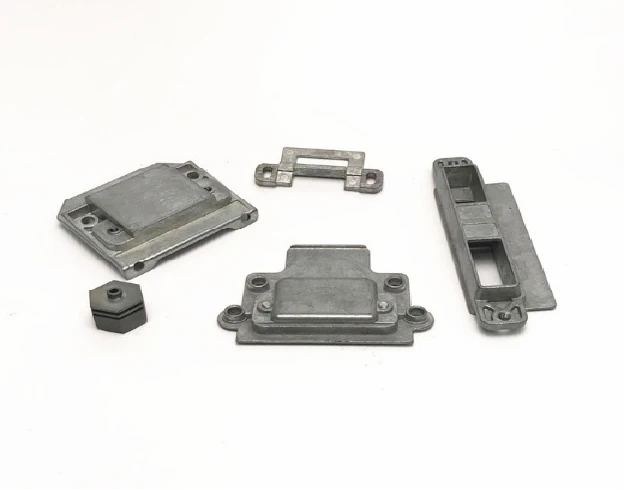
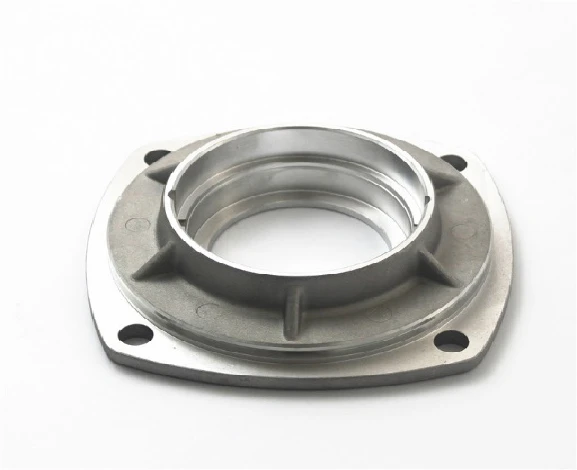
Zinc die castings dominate consumer electronics (connectors/housings) and premium hardware (locks/hinges) with high rigidity and EMI shielding. Aluminum prevails in structural load-bearing components (auto chassis/motor housings). For total lifecycle costs: Zinc's 20% higher material cost is offset by 40% lower melting energy and eliminated machining (directly platable surfaces), reducing overall costs by 15-30% for small-to-medium parts. Aluminum's value shines in large-part lightweighting. Ruifeng Lifecycle Support provides material-specific services:
Zinc: Intergranular corrosion compensation design + cavity laser reconditioning every 100k shots;
Aluminum: Thermal fatigue crack prediction systems + rapid vacuum die casting conversion.