

Can a top heatsink be used in a humid environment?
As a top heatsink supplier, I often receive inquiries from customers about the suitability of our heatsinks in various environments, especially humid ones. This is a crucial question as the performance and lifespan of a heatsink can be significantly affected by environmental conditions. In this blog post, I'll delve into the intricacies of using top heatsinks in humid environments, exploring the challenges, solutions, and the performance of our products.
The Impact of Humidity on Heatsinks
Humidity, defined as the amount of water vapor in the air, can have several adverse effects on heatsinks. One of the primary concerns is corrosion. When a heatsink is exposed to a humid environment, the water vapor in the air can condense on its surface. This condensed water, especially if it contains impurities such as salts or acids, can initiate a chemical reaction with the heatsink material. For example, aluminum, a commonly used material in heatsinks, can react with water and oxygen to form aluminum oxide. Over time, this corrosion can eat away at the heatsink, reducing its structural integrity and potentially affecting its heat dissipation capabilities.
Another issue is the formation of mold and mildew. In a humid environment with the right temperature conditions, mold and mildew can grow on the surface of the heatsink. This not only looks unappealing but can also act as an insulator, reducing the efficiency of the heatsink. The mold and mildew layer can prevent the proper transfer of heat from the heatsink to the surrounding air, leading to higher operating temperatures for the components being cooled.
Our Top Heatsinks and Humidity Resistance
At our company, we understand the challenges posed by humid environments, and we've taken several steps to ensure that our top heatsinks can perform effectively in such conditions.
First, we carefully select the materials for our heatsinks. We use high - quality aluminum alloys that have been treated to enhance their corrosion resistance. These treatments can include anodizing, which creates a protective layer on the surface of the aluminum. This layer acts as a barrier between the metal and the humid air, preventing the initiation of corrosion.
We also offer special coatings for our heatsinks. These coatings are designed to be hydrophobic, meaning they repel water. When water comes into contact with the coated heatsink, it beads up and rolls off, reducing the chances of water accumulation and subsequent corrosion. Additionally, these coatings can also prevent the growth of mold and mildew.
Specific Product Examples
Let's take a look at some of our specific heatsink products and their suitability for humid environments.
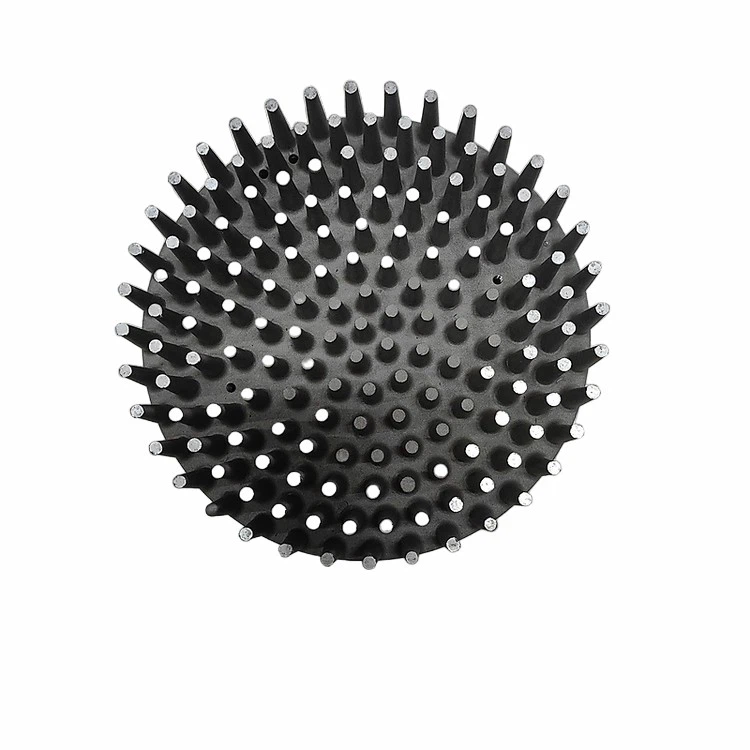

The Quadrate Heatsink is one of our popular products. Its design is optimized for efficient heat dissipation, and with our corrosion - resistant treatments and coatings, it can withstand the challenges of a humid environment. The square shape provides a large surface area for heat transfer, and the treated surface ensures that it remains in good condition even when exposed to moisture.
The Front Side Heatsink Base is another product that is well - suited for humid environments. It is designed to be used in applications where space is limited, and it needs to be mounted on the front side of a component. Our manufacturing process ensures that it has a high level of corrosion resistance, making it a reliable choice for areas with high humidity.
The Car Lamp Heatsink is specifically designed for automotive applications. Cars can be exposed to a wide range of environmental conditions, including humidity. Our car lamp heatsinks are made from materials that can withstand the moisture and temperature variations that occur in automotive use. They are also treated to prevent corrosion and ensure long - term performance.
Testing and Quality Assurance
Before our heatsinks are released to the market, they undergo rigorous testing. We simulate humid environments in our testing facilities to evaluate the performance of our heatsinks. We measure factors such as corrosion rate, heat dissipation efficiency, and the growth of mold and mildew over a period of time.
Our testing also includes accelerated aging tests, where we expose the heatsinks to extreme humidity and temperature conditions for a shorter period to simulate long - term exposure. This allows us to quickly identify any potential issues and make necessary improvements to our products.
Case Studies
We have several case studies that demonstrate the performance of our top heatsinks in humid environments. For example, one of our customers in a coastal area was using our heatsinks in a marine electronics application. The area had high humidity and saltwater in the air, which are extremely corrosive conditions. After several years of use, the heatsinks showed minimal signs of corrosion, and the components being cooled were operating at normal temperatures.
Another customer in a tropical region was using our heatsinks in a data center. The high humidity in the area was a concern, but our heatsinks with their hydrophobic coatings and corrosion - resistant materials were able to maintain their efficiency, ensuring the proper operation of the servers.
Conclusion and Call to Action
In conclusion, our top heatsinks can indeed be used in humid environments. Through careful material selection, advanced treatments, and special coatings, we have designed our heatsinks to withstand the challenges posed by humidity. Whether you are in a coastal area, a tropical climate, or any other high - humidity environment, our heatsinks can provide reliable heat dissipation for your components.
If you are interested in learning more about our top heatsinks and their suitability for your specific application, we encourage you to contact us. Our team of experts is ready to assist you in selecting the right heatsink for your needs. We can also provide more detailed information about our products' performance in humid environments and answer any questions you may have. Start a conversation with us today to explore how our top heatsinks can meet your cooling requirements.
References
- "Corrosion of Metals in Humid Environments" - Journal of Materials Science
- "Mold and Mildew Growth on Industrial Surfaces" - Environmental Science Research
- "Hydrophobic Coatings for Heat Exchangers" - Thermal Engineering Journal